Computer Hardware Fundamentals
Learning content focuses on computer hardware components, their functions, classification, relationships, applications, and basic troubleshooting.
A technology-supported learning application for Computer Hardware Fundamentals, designed to provide interactive lessons, AI-assisted guidance, hardware identification activities, and feedback within a learner-centered experience.
The website structure follows the research study's defined subject, learners, instructional framework, application features, and intended learning outcomes.
Learning content focuses on computer hardware components, their functions, classification, relationships, applications, and basic troubleshooting.
The application is intended as the instructional intervention for Grade 10 learners studying selected Computer Hardware Fundamentals competencies.
UDL 3.0 guides the user experience, with particular emphasis on Multiple Means of Engagement and learner variability.
The thesis uses a quasi-experimental, nonequivalent control-group pretest-posttest design. The application is used by the experimental group, while the control group receives conventional instruction covering the same selected subject matter.
These are the core intervention features described in the thesis and represented directly in the application.
Allows students to ask questions related to Computer Hardware Fundamentals and receive instructional explanations or guided assistance.
Presents structured learning materials through text, images, diagrams, examples, questions, and interactive learning activities.
Gives students opportunities to identify hardware using images, descriptions, or situations and determine names, functions, or classifications.
Provides responses after learning activities so students can identify correct responses, review explanations, and correct misconceptions.
The thesis particularly uses Multiple Means of Engagement as the EdTech user-experience design basis.
Connect learning with learners' interests and prior knowledge while providing relevant and responsive options.
Offer appropriate challenge while providing scaffolds and support when learners need them.
Encourage interaction, collaboration, belonging, and a supportive learning community.
Support autonomy and choice while strengthening motivation and persistence toward learning goals.
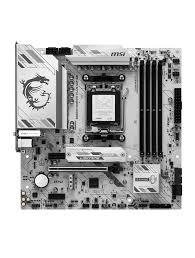
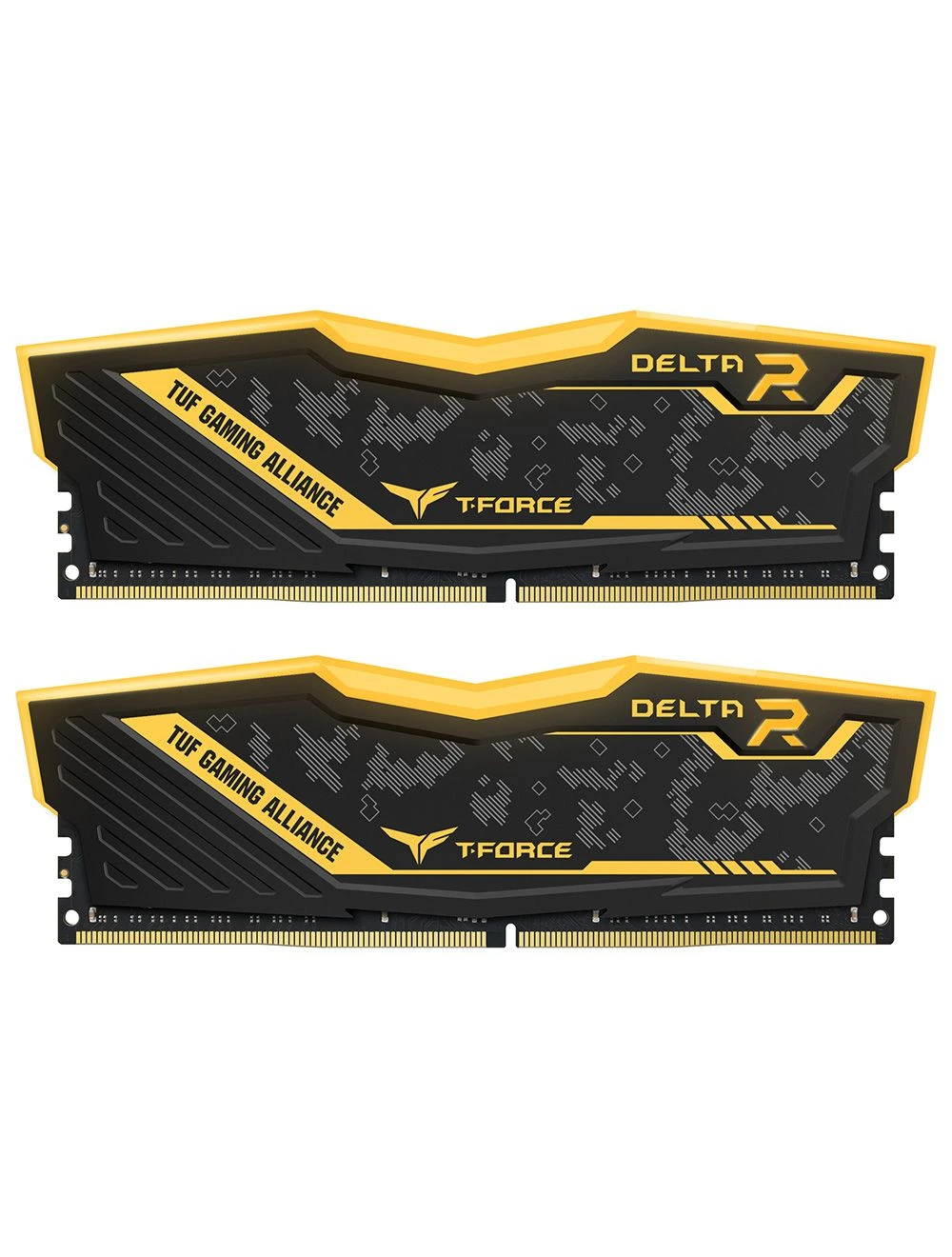
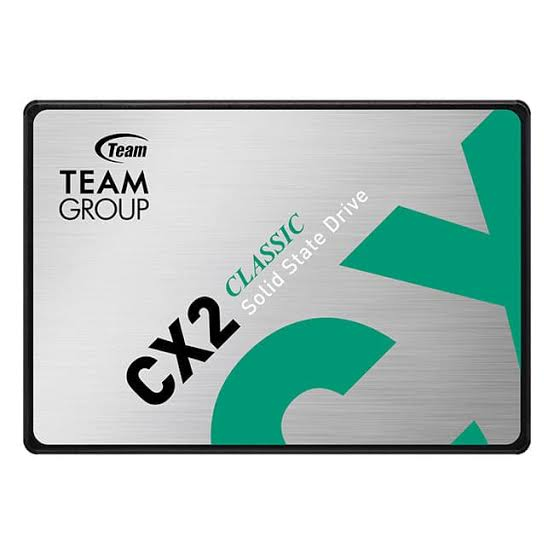
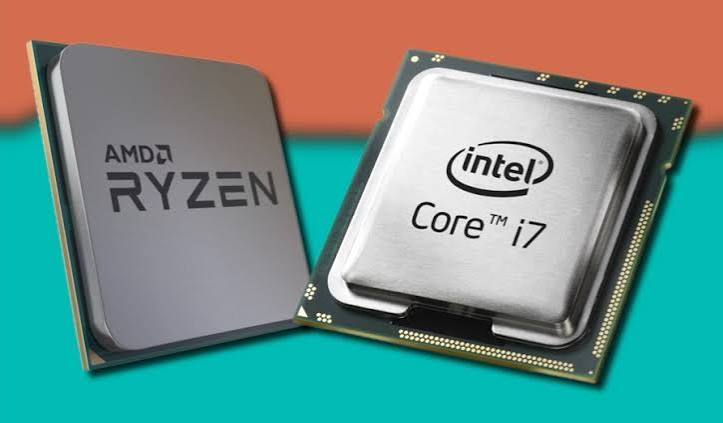
Computer Hardware Fundamentals benefits from multiple forms of representation. The activity uses hardware images to help learners connect concepts with recognizable physical components.
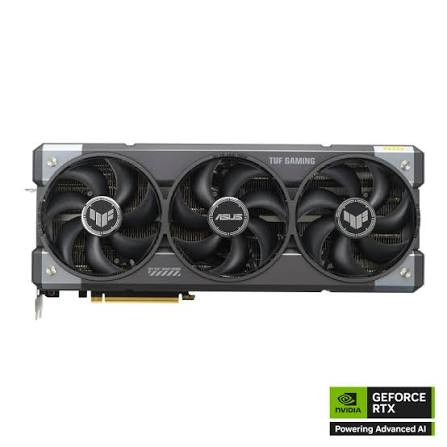
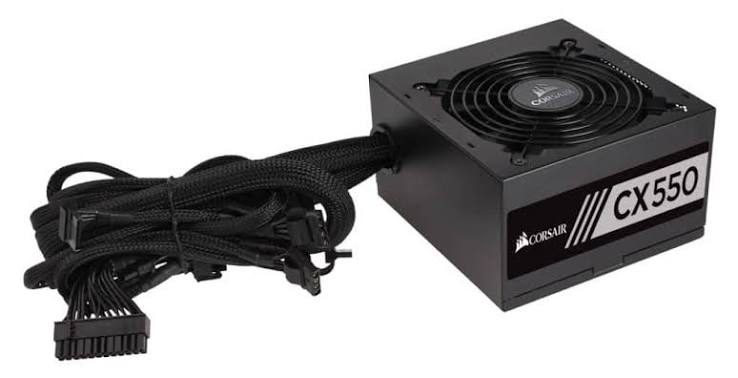
Hardware photographs shown here are examples used by the current application interface; the thesis learning scope is broader than these six displayed examples.
The thesis examines student engagement and academic performance before and after the intervention.
Measured through the Computer Hardware Fundamentals Achievement Test administered before and after the intervention.
The thesis entitled “AI-Powered Educational Smart Application” was prepared in partial fulfillment of the requirements for the Bachelor of Technology and Livelihood Education, major in Information and Communication Technology.
Public visitors can view this overview, but student records, research questionnaires, assessment items, administrative tools, and AI credentials remain behind authorized access.
Authorized students and administrators can sign in to access the appropriate learning, research, and management tools.